Snake Plant Brown Tips: What Causes Them and How to Stop the Spread
Snake plant brown tips are almost never the emergency they look like. In most flats, snake plant brown tips are scar tissue — a tiny area of leaf that died weeks or months ago from one short stress event, and which will stay brown forever because leaves do not heal.
So here is the verdict in two parts. The existing brown tips are not coming back to green — no treatment, feed or misting reverses them. What you can actually control is whether new tips go brown, and that is nearly always about water: how often it arrives, what is dissolved in it, and whether the roots are healthy enough to move it.
The one case that is urgent is different in feel: brown that is soft, mushy or spreading down the leaf from the tip, often with a sour smell at the soil. That is rot travelling, not a scar, and it needs the plant out of the pot today.
This guide separates those two. Diagnose which one you have, fix the cause, and judge success by the new growth — not by the leaves you already have.
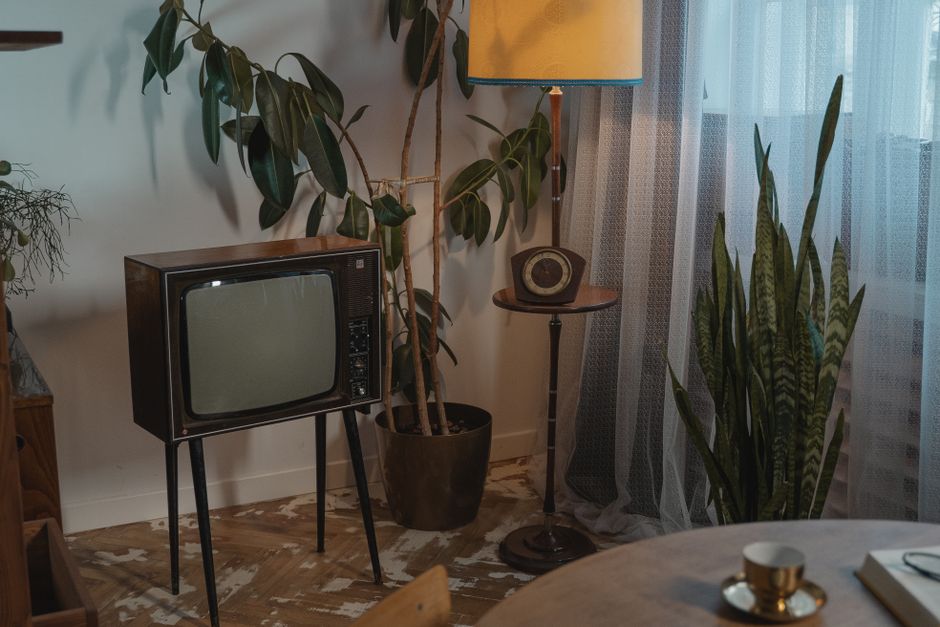
| The situation | Snake plant (Dracaena trifasciata) with brown, dry, papery tips — sometimes a thin yellow or reddish-brown line where brown meets green |
|---|---|
| Light you have | Ordinary indoor room, any window direction. Most often: a radiator-heated living room in winter at 20-24°C (68-75°F) with 25-35% humidity, plant in its nursery pot, watered with tap water on a rough schedule. |
| What is happening | A small patch of leaf tissue at the very end of the leaf died from water stress, and that dead tissue is permanent — the question is only whether more of it is being created. |
Start Here
Stop watering by the calendar. Push a finger 5 cm (2 in) into the soil — if it is damp at all, wait. Water only when the top 5 cm (2 in) is dry and the pot feels light when you tilt it, then water until it runs out the drainage hole and empty the saucer within 30 minutes.
Switch to water left out overnight, or better, rain or filtered water if you already have a filter jug. Hard tap water and softened water both leave salts that burn tips.
Do not cut the leaf off. If the brown bothers you, trim the dead tip only, following the leaf's natural point with scissors — never into green tissue.
Then leave it alone and watch for new spears. A snake plant in an ordinary room puts out new growth in spring and summer; that new leaf coming up clean is your proof the cause is gone.
What Actually Goes Wrong
Jump to your case
- 1. Watering on a weekly schedule instead of by soil dryness
- 2. Hard tap water or a water softener leaving mineral and salt buildup
- 3. Root rot already underway — brown is soft and climbing the leaf
- 4. Letting the soil go bone dry for months at a time
- 5. Overfeeding — fertiliser at full strength or during winter
- 6. Dry heated air hitting a plant that is also water-stressed
- 7. Cold damage from a draughty window or an unheated room
- 8. A sudden move into direct midday sun
- 9. Mechanical damage at the tip — knocked, brushed or handled
- 10. A pot far too large, holding wet soil around the roots for weeks
- 11. Natural age — the oldest leaf finishing its life
- 12. Leaving water sitting in the leaf crown or saucer
1. Watering on a weekly schedule instead of by soil dryness
How it happens
You water every Sunday, or whenever you do the rounds of all your plants. The snake plant sits in a 15-20 cm (6-8 in) nursery pot of peat-heavy compost in a room at normal indoor temperature.
Why the plant reacts this way — A snake plant stores water in its leaves and roots and uses it very slowly. Soil that never dries kills the fine root hairs through lack of oxygen, and with fewer working roots the leaf tip — the point furthest from the roots and last in the water queue — is the first tissue to be abandoned and die back.
What to change
Water only when the top 5 cm (2 in) of soil is dry to a finger and the pot feels noticeably lighter than it did after watering. In a warm bright room that may be every 2-3 weeks; in a cool dim room in winter it can stretch past a month. Let the dryness, not the date, decide. The pot will start to feel distinctly light between waterings — that lightness is the signal you were missing.
How you will know it worked — Mark the existing brown tips with a dot of pen on the leaf. Over the next 6-10 weeks no new tips should brown, and any new spear should come up fully green. Judge this over a season, not a fortnight.
2. Hard tap water or a water softener leaving mineral and salt buildup
How it happens
You water straight from the tap in a hard-water area — kettle scale, white crust on the soil surface or around the pot rim. Or your house has a water softener, which swaps calcium for sodium.
Why the plant reacts this way — Dissolved minerals and sodium do not evaporate. They concentrate in the soil, raise its salt level, and pull water back out of the roots osmotically. The plant then under-supplies its furthest tissue, and the tip dies in a narrow band — often with a yellow or reddish margin where live tissue meets dead.
What to change
Switch to rainwater, filtered water from a jug filter, or tap water stood uncovered overnight (that helps with chlorine, less with hardness). Never use softened water on houseplants — use the untreated outside tap if you have one. Once every 3-4 months, flush the pot: run water through until roughly 2-3 pot volumes have drained out, then let it dry down fully.
How you will know it worked — The white crust on the soil surface should stop reforming within 2-3 months of switching water. New leaves emerging after that stay clean to the tip.
3. Root rot already underway — brown is soft and climbing the leaf
How it happens
The plant has been in damp soil for weeks, often in a decorative pot with no drainage hole or a saucer that stays full. Leaves feel soft or wrinkled near the base, the browning is mushy rather than papery, and the soil smells sour.
Why the plant reacts this way — Roots sitting in water suffocate and are then colonised by rot organisms. With the root system gone the leaf cannot be supplied at all, and tissue collapses from the tip inward — this is the one kind of browning that genuinely spreads.
What to change
Act today. Lift the plant out, wash the soil off and look: healthy snake plant roots are firm and pale orange-white, rotten ones are brown, slimy and pull apart. Cut away every soft root and any leaf that is mushy at the base, down to firm tissue. Repot into a free-draining gritty mix — potting compost cut with about one-third coarse perlite, pumice or sharp sand — in a pot with a drainage hole, no more than 2-3 cm (1 in) wider than the root ball. Then wait a week before the first watering.
How you will know it worked — Within 1-2 weeks the remaining leaves should stop softening and no new mushy patches appear. Firm resistance when you gently tug a leaf means roots have re-anchored — expect that at 4-8 weeks.
4. Letting the soil go bone dry for months at a time
How it happens
You heard snake plants are indestructible, so you water it two or three times a year. The soil has shrunk away from the sides of the pot and water runs straight down the gap and out the bottom.
Why the plant reacts this way — The plant will survive long droughts by draining its own leaves, but it pays for it by shutting down its least valuable tissue first — the tips. Peat-based compost also goes hydrophobic when fully dry, so your next watering wets the surface and the drainage hole while the root ball stays dry.
What to change
Do not swing to frequent watering — just make each watering actually land. Stand the pot in 3-5 cm (1-2 in) of water for 20-30 minutes so the root ball rehydrates from below, then drain it completely. After that, water when the top 5 cm (2 in) is dry rather than when you remember.
How you will know it worked — The pot should feel heavy and the soil hold its shape against the pot wall straight after soaking. New tip damage stops within 4-8 weeks; existing brown stays brown.
5. Overfeeding — fertiliser at full strength or during winter
How it happens
You added houseplant feed monthly at the dose on the bottle, maybe through autumn and winter too, to 'help' a plant that was not growing.
Why the plant reacts this way — Fertiliser is salt. A snake plant grows slowly and takes up very little, so unused nutrient accumulates in the soil and burns the roots in exactly the same way as hard water — brown, dry tips with a sharp yellow boundary.
What to change
Stop feeding now. Flush the pot with 2-3 pot volumes of water to leach the salts out, let it dry down, then resume at most 2-3 feeds across the whole spring-summer period at half the label strength. No feeding at all from autumn until you see new growth.
How you will know it worked — No new browning within 6-10 weeks, and any new spear emerges clean. If browning continues after a flush, your water quality or watering rhythm is the real cause, not feed.
6. Dry heated air hitting a plant that is also water-stressed
How it happens
Winter, radiator or forced-air vent within about 1 m (3 ft) of the pot, humidity down around 25-30%, and the soil either constantly damp or long dry.
Why the plant reacts this way — Snake plants are built for dry air — they hold their stomata shut during the day, which is why dry rooms alone rarely mark them. But dry air raises the rate at which the leaf loses water, and if the root supply is already compromised the tip is the tissue that runs out first. Dry air is the amplifier here, not usually the cause on its own.
What to change
Move the pot at least 1-1.5 m (3-5 ft) from any radiator or heating vent, and off a windowsill above a hot radiator. Do not bother misting — it does nothing measurable for this plant. Fix the watering rhythm at the same time; air alone is rarely the whole story.
How you will know it worked — Watch across one heating season. If new tips browned every winter and stop after moving it, the heat source was the amplifier. Expect to need a full winter to be sure.
More causes (6 remaining)
7. Cold damage from a draughty window or an unheated room
How it happens
The plant touches the glass of a single-glazed window, or sits in a hallway or conservatory that drops below 10°C (50°F) overnight in winter. Browning appeared within days of a cold snap.
Why the plant reacts this way — Below roughly 10°C (50°F) snake plant cell membranes start to fail and tissue dies outright. Leaf tips and the edges in contact with cold glass chill fastest, so they die first — the damage shows up as browning within days, not months.
What to change
Move it at least 30 cm (12 in) back from the glass and into a room that stays above 13-15°C (55-59°F). Also cut watering right back while it is cold — cold wet soil is what turns chill damage into rot.
How you will know it worked — No new damage after the move, assessed over the remaining cold weeks. Damage already done is permanent; if browning keeps advancing in the warmth, you have rot too and need to check the roots.
8. A sudden move into direct midday sun
How it happens
The plant lived in a dim corner for months, then you moved it onto a south-facing windowsill with unobstructed sun, or outdoors for the summer. Within one to two weeks pale bleached patches and crisp brown tips and edges appeared.
Why the plant reacts this way — Leaves acclimated to low light have thin protective tissue and few photoprotective pigments. Hit with full sun they absorb more energy than they can use; the excess cooks the tissue. Tips and sun-facing edges, which are thinnest and lose heat worst, scorch first.
What to change
Pull it back 1-2 m (3-6 ft) from a south or west window, or put a sheer curtain between. If you want it in brighter light, build up over 3-4 weeks: an extra hour of direct sun every few days. A shadow test tells you where you are — a hard-edged shadow means direct sun, a soft fuzzy one means bright indirect.
How you will know it worked — New scorch stops appearing within 2-3 weeks of moving it. Bleached areas never re-green; only new leaves tell you the light level is now right.
9. Mechanical damage at the tip — knocked, brushed or handled
How it happens
The plant stands in a hallway, next to a door, or where a pet or a hoover goes past. One or two leaves have brown tips while the rest are perfect, and the brown is a small blunt patch rather than a gradient.
Why the plant reacts this way — A crushed or snapped tip dies as a wound and seals itself with brown scar tissue. There is no systemic problem at all. The tell is that it affects individual leaves at roughly the same height rather than the whole plant.
What to change
Move the pot out of the traffic lane, or give it 30-40 cm (12-16 in) of clearance from doors and furniture. Trim the dead tip at an angle with clean scissors if the look bothers you — it will not regrow a point, so cut sparingly.
How you will know it worked — Nothing new browns once it is out of the way. If browning continues on untouched leaves, you are looking at a watering or water-quality cause instead.
10. A pot far too large, holding wet soil around the roots for weeks
How it happens
You repotted a small plant into a 25-30 cm (10-12 in) pot to 'give it room', using standard potting compost. The soil at depth stays damp for two or three weeks after each watering.
Why the plant reacts this way — Water availability is set by the volume of soil, not the size of the plant. A small root ball in a big pot leaves most of that soil unexplored and permanently wet, which rots the outer roots — and that root loss shows up at the leaf tip long before you see anything at the soil line.
What to change
Repot down into a pot only 2-3 cm (1 in) wider than the root ball, and mix roughly one-third coarse perlite, pumice or grit into the compost. Snake plants are happy tight — a slightly crowded pot is a feature, not a problem.
How you will know it worked — The pot should now dry out at the 5 cm (2 in) depth within 2-3 weeks in a warm room. No new tip damage over the following 2-3 months confirms it.
11. Natural age — the oldest leaf finishing its life
How it happens
One or two of the lowest, oldest, outermost leaves have browning tips and perhaps a yellowing base, while every newer leaf is clean. The plant is several years old and otherwise producing new spears.
Why the plant reacts this way — Leaves do not live forever. The plant withdraws nutrients from its oldest leaves to build new ones, and that leaf dies from the tip and the edges inward. This is normal turnover, not a fault.
What to change
Change nothing. If a leaf has gone more than half brown, cut it off at soil level with clean scissors. Keep the care that produced the healthy new growth.
How you will know it worked — Over a season you should see new spears emerging clean while only the oldest leaves decline. If several middle-aged leaves brown at once, it is not age — go back to the watering and water-quality causes.
12. Leaving water sitting in the leaf crown or saucer
How it happens
You water from above into the centre of the rosette, or you mist, or the decorative outer pot holds 2-3 cm (1 in) of standing water that you never tip out.
Why the plant reacts this way — The tight crown where leaves meet holds water against the tissue and lets soft rot in at the base; standing water in the saucer keeps the bottom roots in an airless layer. Both show as leaf failure, and the browning that follows at the tip is the downstream symptom of damage further down.
What to change
Water the soil surface around the edge of the pot, not into the crown. Empty the saucer or cazenove outer pot within 30 minutes of every watering, every single time. If water does pool in the crown, blot it out with kitchen paper.
How you will know it worked — Squeeze the leaf bases gently — they should stay firm. Over 4-6 weeks no new soft patches at the base and no new browning on healthy leaves.
 ## None of Those? Narrow It Down
- Pinch the brown part between finger and thumb. Dry, papery and crisp means an old scar — nothing is actively happening and you are looking for a past cause. Soft, mushy or damp means rot, which is live and spreading: skip to the root check immediately.
- Look at where brown meets green. A thin hard yellow or reddish line is the plant's signature for salt or mineral stress — suspect hard water, softened water or fertiliser. A gradual fade from green to brown points to water supply instead: either too wet for too long or too dry.
- Push a finger 5 cm (2 in) into the soil and tilt the pot. Damp soil plus a heavy pot means overwatering or a pot too large. Bone dry soil plus a light pot that has shrunk from the sides means drought and hydrophobic compost. Either way, your watering rhythm is the suspect.
- Check the soil surface and pot rim for a white or pale crust, and check whether your kettle scales up. Crust plus hard water means mineral buildup. Also ask whether the house has a water softener — if it does, that alone is enough to cause this.
- Count which leaves are affected. One or two of the oldest outer leaves only, with clean new growth, means normal ageing. A scattering of leaves at the same height means knocks and traffic. Most or all leaves, including recent ones, means a systemic cause — water, salt or roots.
- Do the shadow test at midday where the plant stands. Hold your hand 30 cm (12 in) above the leaves: a hard-edged shadow means direct sun and possible scorch, especially if you moved the plant recently. A soft fuzzy shadow, or no readable shadow at all, rules sunburn out.
- Check for heat and cold. Is anything within 1 m (3 ft) that pumps hot dry air, and does any leaf touch window glass? Then ask when the browning appeared: within days of a cold snap or a heating switch-on points at temperature, while browning that creeps in over months does not.
- If nothing above matches, slide the plant out of its pot and look at the roots. Firm and pale means the cause is environmental and already past — keep the plant, fix the watering. Brown, slimy roots that pull apart means rot, and you treat that today regardless of what the leaves suggested.
Why This Happens
A leaf tip is the end of a plumbing run. Water enters at the roots, climbs through the xylem, and is pulled along by evaporation at the leaf surface. The tip is furthest from the supply and last in the queue, so whenever supply drops below demand — for an hour or for a month — the tip is the tissue that gets cut off first. That is why brown tips are a supply symptom, almost never a disease, and why the same brown tip can come from drought, from flooding, from salty water or from cold. All four reduce how much water actually reaches the end of the leaf.
The counter-intuitive one is overwatering. Roots are living tissue and need oxygen from air pockets in the soil. Fill those pockets with water for long enough and the fine roots suffocate and die, which means a waterlogged plant is a plant that cannot drink. It shows the same dry, crisp tips as a plant left in the desert. Salt does it by a third route: minerals from hard water, softened water or excess fertiliser raise the solute concentration in the soil until water moves out of the roots rather than in. The root is sitting in moisture it cannot use. In all three cases the plant does the same sensible accounting — it abandons its least valuable tissue and protects the growing point.
Light sets the size of this whole budget. A snake plant in a dim corner photosynthesises little, grows slowly, and therefore uses very little water — which is exactly why the same watering can that keeps a plant alive on a bright sill drowns the one in the hallway. More light means faster growth, more water use, faster drying, and a plant that can afford to repair and replace leaves. Less light means the opposite, and the mistake is to keep watering as though nothing changed. Match the water to the light, not to the day of the week. And remember the arithmetic of leaf repair: a snake plant leaf does not heal, so your only real feedback loop is the next leaf. Fix the cause, then read your success in the new growth that follows.
Keep It Alive From Here
- Water by condition, every time: finger 5 cm (2 in) into the soil and a lift of the pot. If it is damp or heavy, walk away. In a bright warm room that usually lands around every 2-3 weeks in summer and considerably less in winter — but let the test, not the interval, make the call.
- Change your water source permanently. Rainwater, filtered water, or tap water stood out overnight. Never softened water. Then flush the pot with 2-3 pot volumes of water once every 3-4 months to leach out whatever has accumulated.
- Keep it in a free-draining mix in a pot with a drainage hole, no more than 2-3 cm (1 in) wider than the root ball — potting compost cut with about one-third coarse perlite, pumice or grit. Repot only when roots fill the pot, which for a snake plant is often every 3-4 years.
- Empty the saucer or outer decorative pot within 30 minutes of every watering, without exception. This single habit prevents most snake plant root rot.
- Shift with the seasons: stop all feeding from autumn until you see new spears in spring, then feed at most 2-3 times at half strength. Move the pot at least 1-1.5 m (3-5 ft) from radiators when the heating comes on, and 30 cm (12 in) back from cold glass.
- Wipe the leaves with a damp cloth every couple of months and turn the pot a quarter turn each time you water. Dust cuts light, and rotation keeps the plant growing evenly rather than leaning and straining one side.
Related Guides
What Usually Goes Wrong Next
- snake plant leaves falling over
- snake plant root rot signs
- snake plant yellow leaves at base
- snake plant not growing new leaves
The brown tips you already have are a record of something that happened, not a problem you are currently having. Work out which of the two families you are in — a dry papery scar, which is history, or soft spreading brown, which is rot and needs the plant out of its pot today. Then change the watering rhythm and the water itself, and stop reading the old leaves. The next spear that comes up clean to the point is your answer.


댓글
댓글 쓰기