Can a ZZ plant grow in low light? Yes, But Barely Grow — And Here's What Actually Kills It
Can a ZZ plant grow in low light? Yes — and this is one of the few times the honest answer is a straight yes, with no asterisk about "bright indirect" light. A ZZ plant (Zamioculcas zamiifolia) will hold its leaves, stay glossy and look deliberate 2-3 m (6-10 ft) back from a north-facing window for years.
What it will not do is grow much. In that light expect one or two new stems a year, not the five or six it would push by a bright east window. So can a ZZ plant thrive in low light? Survive and look good, yes. Thrive in the sense of visibly filling its corner, no — that needs more light, not a better routine.
And the thing that kills it in a dim room is almost never the darkness. It is water. Low light slows the plant's water use to a crawl, your watering habit does not slow down with it, and the rhizomes rot from underneath while the leaves still look fine on top.
If you want visible growth every few months, buy something else or move this one closer to the glass. If you want a plant that forgives a dark hallway, read the watering sections below twice.
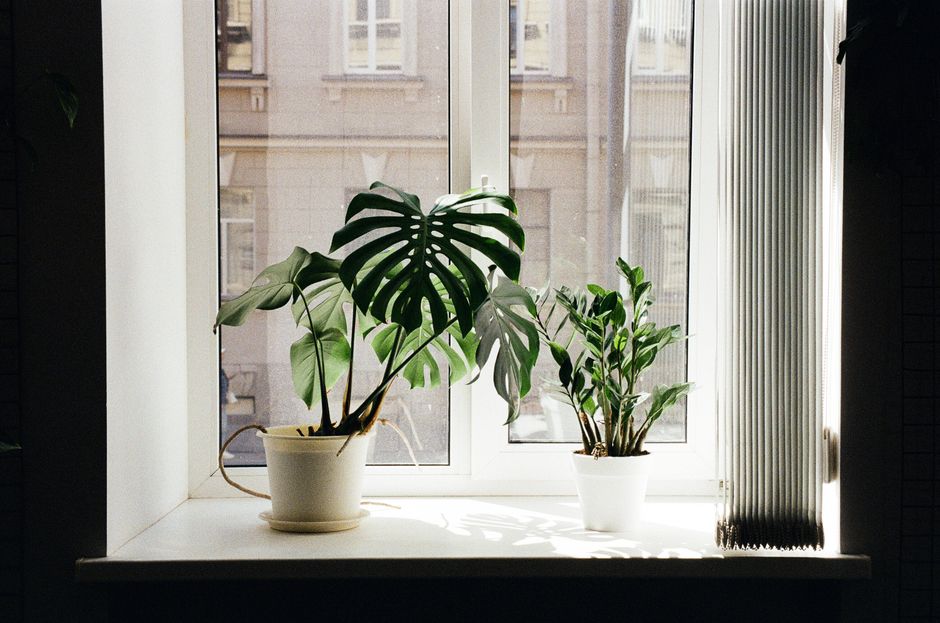
| The situation | ZZ plant (Zamioculcas zamiifolia) in a dim room — no new stems for a year, or stems yellowing and going soft at the base |
|---|---|
| Light you have | North-facing window 2-3 m (6-10 ft) away, or an office/hallway corner with no direct sun at any hour — bright enough to read a paperback at midday with the lamps off, but nothing casts a sharp shadow |
| What is happening | Low light has slowed the plant's water use to a crawl, so the soil stays wet long after you water — and wet soil, not darkness, is what rots the underground rhizomes. |
Start Here
Yes, a ZZ plant survives low light — it is one of the genuinely shade-tolerant houseplants, not a hopeful recommendation. Keep it anywhere you can comfortably read at midday without a lamp.
The single change that decides whether it lives: stop watering on a schedule. Water only when the top 5 cm (2 in) of soil is dry to your finger and the pot feels light when you tilt it — in a dim room that is often every 3-6 weeks in summer and every 6-8 weeks in winter.
When you do water, soak it until water runs from the drainage hole, then tip the saucer out within 15 minutes. Nothing else you do for this plant matters half as much.
And set your expectations now: one or two new stems a year in low light is success, not failure.
What Actually Goes Wrong
Jump to your case
- 1. Watering on a weekly schedule instead of by soil dryness
- 2. Pot far too large for the plant
- 3. No drainage hole, or a decorative sleeve holding water
- 4. Peat-heavy or "moisture control" potting soil
- 5. The spot is not low light, it is no light
- 6. Watering unchanged through winter
- 7. Reading yellow lower leaves as thirst and watering more
- 8. Fertilising to force growth in a dim room
- 9. Rescue-moving it straight into direct sun
- 10. Dust blocking the little light there is
- 11. Cold draught or radiator heat blamed on light
- 12. Repotting or dividing a stalled plant hoping to restart it
1. Watering on a weekly schedule instead of by soil dryness
How it happens
Dim corner, a phone reminder every Sunday, the same mug of water each time since you brought it home. The soil surface looks dry so you top it up — and the interval never changes when autumn arrives.
Why the plant reacts this way — Light is the engine for water use. A ZZ plant 2-3 m (6-10 ft) from a north window photosynthesises at a small fraction of the rate it would by a bright window, so it pulls water out of the pot slowly. You keep refilling a pot that was never empty, and the rhizomes sit in airless, sour soil.
What to change
Water only when the top 5 cm (2 in) of soil is dry to your finger and the pot is noticeably light when you tilt it — typically every 3-6 weeks in summer, 6-8 weeks in winter in a low-light room. Soak until it drains, then empty the saucer within 15 minutes. You will notice the pot stays light for weeks instead of feeling permanently heavy.
How you will know it worked — Push a wooden skewer or chopstick to the bottom of the pot before each watering; it should come out dry and clean, not cool and dark. The plant stabilises over 4-8 weeks — stems already soft at the base will not recover, but no new ones should fail.
2. Pot far too large for the plant
How it happens
A 13 cm (5 in) nursery plant potted straight into a 25 cm (10 in) ceramic pot so it would "have room to grow", standing in a room with one north-facing window.
Why the plant reacts this way — Roots only drink from soil they actually occupy. The rest of that soil volume holds water with nothing taking it up, and in low light root growth is slow enough that the unoccupied wet zone stays wet for a month or more and turns anaerobic.
What to change
Repot down so there is no more than 2-3 cm (about 1 in) of soil between the rhizomes and the pot wall. A ZZ plant is fine slightly tight — a pot that looks a size too small is correct. In low light, size up only every 2-3 years, and only when rhizomes are pressing the wall or lifting the plant out of the pot.
How you will know it worked — After repotting, the pot should feel light again within 3-4 weeks of a full soak instead of staying heavy for two months. Any new stems arrive in the next growing season, not in the next fortnight.
3. No drainage hole, or a decorative sleeve holding water
How it happens
The glossy pot it came in has no hole, or the nursery pot sits inside a basket/cachepot and you water it in place without ever lifting it out.
Why the plant reacts this way — Water collects in the bottom 2-3 cm (1 in) and never leaves. In low light there is no vigorous transpiration to draw it up, so the lowest rhizomes and roots sit submerged — that is where rot starts, invisibly, weeks before a leaf yellows.
What to change
Pot into something with a real drainage hole, or keep the nursery pot inside the decorative one and lift it out to water at the sink. Let it drain 10-15 minutes before putting it back, and never leave more than a film of water in the outer pot.
How you will know it worked — Lift the inner pot a week after watering and look at the bottom of the outer pot — it should be dry, not holding a puddle. Do this check at every watering for two months until the habit sticks.
4. Peat-heavy or "moisture control" potting soil
How it happens
You repotted using whatever multipurpose compost was in the shed, or a bag marketed as moisture-retaining, and the surface still looks damp three weeks later.
Why the plant reacts this way — Fine peat holds water against gravity and leaves few air pockets. Roots need oxygen as much as water, and in a dim room nothing is pulling the moisture out fast enough to re-aerate the mix between waterings.
What to change
Mix 2 parts standard potting compost to 1 part perlite or coarse grit (3-6 mm / ⅛-¼ in). A cactus/succulent mix with a handful of perlite also works. The goal is that water runs through within 20-30 seconds rather than pooling on top.
How you will know it worked — Pour water on the surface: it should disappear in under half a minute. Then the pot should feel light within 3-5 weeks rather than staying heavy — judge it over two full watering cycles, roughly 2 months.
5. The spot is not low light, it is no light
How it happens
An internal hallway, a windowless bathroom, a bedroom corner 5 m (16 ft) from the only window, or a shelf behind a sofa where you switch a lamp on in the daytime to see anything.
Why the plant reacts this way — Shade tolerance is not light independence. Below roughly the level where you can read small print comfortably at midday, the plant is spending stored sugars faster than it makes them, so it drains the rhizomes, drops older leaves one by one and stops replacing them.
What to change
At midday with the lamps off, try reading a paperback where the plant stands. If you cannot, move it 1-2 m (3-6 ft) closer to the window, or onto the brightest wall of the room. Frosted glass right beside the plant is fine; a room with no window at all is not, unless you run a basic LED grow lamp 8-10 hours a day about 50 cm (20 in) above the leaves.
How you will know it worked — Count stems and mark today's date. In a usable spot you get at least one new stem within 6-12 months and no further leaf loss; in a too-dark spot you will see continued shedding over the same period with nothing replacing it.
6. Watering unchanged through winter
How it happens
Same routine in January as in July, in a room where the sun barely clears the neighbouring building and the heating is on.
Why the plant reacts this way — Daylength and intensity drop, so the plant's energy income drops and its water use falls with it — often by half or more. The same pour now sits in the pot two or three times as long.
What to change
From roughly October to March (northern hemisphere), stretch the interval until the pot is properly light — commonly 6-8 weeks in a low-light room. Do not reduce the volume; reduce the frequency. A thorough soak less often is safer than a sip every fortnight.
How you will know it worked — Keep a note of watering dates for one winter. If the skewer still comes out damp at 6 weeks, go longer next time. A correctly wintered ZZ plant loses no stems between November and March.
More causes (6 remaining)
7. Reading yellow lower leaves as thirst and watering more
How it happens
Two or three of the oldest, lowest leaflets turn yellow. You assume it is dry, water it, and a week later another stem yellows from the base up.
Why the plant reacts this way — In low light the plant sheds its least productive leaves — the shaded bottom ones — to balance its budget, and that is normal. Yellowing that starts at the stem base and comes with softness is the opposite problem: rot. Watering both the same way is what turns a recoverable plant into a dead one.
What to change
Before adding water, pinch the bottom 2 cm (1 in) of the affected stem. Firm and green with only a few old yellow leaflets at the bottom: normal, leave it alone. Soft, squashy or browning at soil level: stop watering completely, pull the plant out and cut away any mushy rhizome with a clean blade, then repot in fresh gritty mix and wait 2 weeks before the first light watering.
How you will know it worked — Normal shedding stops at a leaf or two per season. After rot surgery, success looks like no further stems softening over 4-6 weeks; check the remaining stem bases weekly by touch.
8. Fertilising to force growth in a dim room
How it happens
No new stems in six months, so you start a monthly liquid feed at full strength, year-round, in a north-facing corner.
Why the plant reacts this way — Fertiliser is raw material, not energy. Light sets the ceiling on how much the plant can build, so the surplus salts just accumulate in the mix, pull water out of the roots and brown the leaf tips.
What to change
Feed a low-light ZZ plant once or twice in late spring and summer only, at half the strength on the label, and never into dry soil. Nothing from October to March. If you already see a white crust on the soil or pot rim, flush the pot with 2-3 pot volumes of plain water once and skip feeding for a year.
How you will know it worked — Tip browning stops spreading to new leaves within 6-8 weeks of flushing. Do not expect feeding to produce stems — if growth is your goal, more light is the only lever that works.
9. Rescue-moving it straight into direct sun
How it happens
You read that it needs more light and move it from a dim hallway onto a south-facing windowsill in one afternoon, in summer.
Why the plant reacts this way — Leaves grown in shade have thin tissue and low protective pigment levels for the light they are suddenly receiving. The leaf cannot use that much energy and bleaches — pale, whitish or scorched brown patches that never green up again.
What to change
Move in stages: 1 m (3 ft) closer every 2 weeks, and stop short of any spot that gets more than an hour of direct sun. A position 1-1.5 m (3-5 ft) from an east or north window is the sweet spot for growth without scorch.
How you will know it worked — No new pale or papery patches two weeks after each move means the step was safe. Faster growth from the brighter position shows up as new stems over the following 3-6 months.
10. Dust blocking the little light there is
How it happens
The plant has stood in the same corner for a year. Run a finger across a leaflet and it leaves a visible clean line.
Why the plant reacts this way — A film of dust can intercept a meaningful share of the light hitting the leaf. By a bright window that is slack you can afford; in low light the plant has no margin, and a dusty ZZ plant slips from slow growth to no growth.
What to change
Wipe both sides of the leaves with a damp cloth once a month, supporting each leaflet with your palm. Skip leaf-shine sprays — they clog and attract more dust.
How you will know it worked — The leaves should look glossy, not matte, and your cloth should come away nearly clean the following month. Any effect on growth is measured in seasons, not weeks.
11. Cold draught or radiator heat blamed on light
How it happens
The plant sits beside a draughty front door, under a single-glazed window in winter, or 30 cm (12 in) above a radiator — and it declines while your watering is actually correct.
Why the plant reacts this way — Below about 10 °C (50 °F) the roots stop working properly while the soil stays wet, which is rot weather. Directly over a radiator the opposite happens: the top of the pot dries fast and fools you into watering while the lower half is still saturated.
What to change
Keep it in the range 18-24 °C (65-75 °F) and never below 10 °C (50 °F). Move it at least 1 m (3 ft) from exterior doors, draughty glass and radiators. If the only bright spot is a cold window in winter, pull it back 50 cm (20 in) from the glass for the season.
How you will know it worked — Put a cheap thermometer at plant height for a week and read the overnight low. After relocating, expect no further stem loss across one full winter — that is the timescale for this one.
12. Repotting or dividing a stalled plant hoping to restart it
How it happens
No new stems for a year, so you split the rhizomes into two pots, or move it up two pot sizes, in the middle of winter in a dim room.
Why the plant reacts this way — Root disturbance costs stored energy to repair, and in low light the plant has very little income to pay that back with. You get less growth, not more — plus a bigger volume of wet soil around a reduced root system.
What to change
Leave a healthy but slow ZZ plant alone. Only repot if rhizomes are visibly pressing the pot wall or the plant is pushing itself upward; do it in late spring, into a pot one size up at most. Fix the light first if growth is what you want.
How you will know it worked — If you must repot, success is simply no yellowing stems over the next 6-8 weeks. New growth after a repot in low light realistically appears the following spring, not that season.
 ## None of Those? Narrow It Down
- Midday shadow test, no meter needed: hold your hand 30 cm (12 in) above a sheet of white paper where the plant stands, lamps off. A sharp-edged shadow means bright or direct light — scorch and underwatering are more likely than rot. A soft but clearly visible shadow is usable low light. No shadow at all points straight to the 'no light, not low light' cause.
- Reading test: at about 2 pm with the lights off, try reading small print in that spot. If you reach for a lamp, the plant is below its floor and no watering change will fix it — move it 1-2 m (3-6 ft) closer to the window first.
- Weigh the pot by hand now, then again right after a full soak. If today's weight is close to the freshly watered weight, the soil has not dried since the last watering and you are looking at an overwatering cause (schedule, pot size, drainage or soil).
- Skewer test: push a wooden skewer to the bottom of the pot and pull it out. Dry and clean rules overwatering out; cool, dark and clinging soil rules it in, whatever the surface looks like.
- Pinch the bottom 2 cm (1 in) of each stem and smell the soil. Firm bases with a few yellow bottom leaflets is normal shedding. Soft, squashy bases or a sour, drain-like smell is rhizome rot — stop watering and go to the rot fix instead of anything else on this page.
- Lift the plant out of the pot and look at the rhizomes. Plump, firm, pale tan with white roots means the plant is fine and you have a light problem. Brown, collapsing rhizomes with blackened roots confirm rot and tell you how much to cut away.
- Date the newest stem: look for one noticeably shorter or lighter green than the rest. If you find one, the plant grew in the last 12 months and the spot works — be patient. Firm rhizomes with zero new stems in a year means light, not care, is the ceiling.
Why Low Light Does This
Treat light as income. Leaves are the only place a plant earns anything: light plus water plus CO₂ becomes sugar, and every single thing the plant does afterwards is paid for out of that account. New stems, new roots, repairing a cut rhizome, fighting off rot — all of it is spending. Move a plant from a bright window to a corner 3 m (10 ft) away and you have not simply made it dimmer, you have cut its income to a fraction, often by an order of magnitude. A plant with a small income does the sensible thing: it stops building.
That budget is also what drives water use. To take CO₂ in, a leaf has to open its stomata, and water vapour escapes while they are open. Little light means little photosynthesis, means stomata barely open, means almost no water leaving the plant. The water you poured in has nowhere to go but slow evaporation from the soil surface — so the pot stays wet for weeks, the air pockets in the mix stay flooded, and roots that need oxygen suffocate. This is why overwatering is a light problem wearing a watering costume. The identical routine that works by a bright east window drowns the same plant in a hallway.
The ZZ plant wins in these rooms because it is built for a low, irregular income. It comes from dry forest and rocky ground in eastern Africa, and it stores water and starch in fat underground rhizomes, carries a thick waxy cuticle that loses very little moisture, and can simply coast for months on reserves. That is survival hardware, not growth hardware — which is exactly why the honest answer is that it endures a dim corner rather than flourishing in one. Learn this logic once and you can predict the next plant without looking it up: in a dark room, choose storage organs and thick leaves, water by the weight of the pot, keep the pot small, and do not expect growth you have not paid for in light.

Keep It Alive From Here
- Water by the weight of the pot, not the calendar: learn what it feels like right after a soak and what it feels like empty, and only water at empty — in a low-light room expect every 3-6 weeks in summer and 6-8 weeks in winter.
- Keep it slightly tight in a free-draining mix: 2 parts potting compost to 1 part perlite or coarse grit, in a pot with a drainage hole and no more than 2-3 cm (1 in) of soil around the rhizomes. Size up only every 2-3 years.
- Wipe both sides of the leaves with a damp cloth once a month — in low light the plant cannot afford a dust film, and skip leaf-shine products.
- Give it a quarter turn each time you water so stems do not all lean toward the window and splay open.
- Feed once or twice in late spring and summer at half label strength, into damp soil, and not at all from October to March (northern hemisphere).
- All parts of the ZZ plant contain calcium oxalate crystals, which irritate the mouth, throat and skin if chewed or if sap contacts bare skin — keep it out of reach of pets and toddlers, wear gloves when dividing or cutting rhizomes, and call a vet straight away if an animal chews a stem rather than waiting to see what happens.
Related Guides
What Usually Goes Wrong Next
- zz plant stems falling over and splaying outward
- zz plant yellow leaves after repotting
- zz plant not growing new stems for a year
Of all the plants sold for dim rooms, the ZZ plant is the safest bet you can make — but low light buys you survival, not growth. Treat the dark corner as a holding pattern: water by the weight of the pot, keep it a little rootbound, and count one or two new stems a year as a win. If you want it to actually fill that corner, the answer is not a cleverer routine, it is 1-2 m (3-6 ft) closer to the window.


댓글
댓글 쓰기